
Keeping your brain healthy doesn’t need to be complicated. Small, consistent habits can make a meaningful difference in supporting memory, focus, and emotional well-being throughout the aging process. For adults 55 and better, keeping your brain healthy as you age can involve nutritious foods, regular movement, mentally engaging hobbies, and strong social connections. Together, these habits can help you remain independent and connected to the people and places you love.
Many of these habits can naturally become part of your daily routine. Through Duet Dining, our dining program at Mullen Residences at the Highlands, residents will enjoy thoughtfully prepared meals and opportunities to gather, share conversation, and connect with others.
By including nutritious foods, social connection, and creating community as part of everyday life, together they support both brain health and overall well-being.
What Are Three Superfoods for Your Brain?
The three most helpful foods for brain health are leafy greens, fatty fish, and berries. These foods deliver nutrients that support memory, protect brain cells, and help reduce inflammation, the body’s long-term stress response that can damage healthy tissue over time. Leafy greens such as spinach, kale, and arugula will provide vitamin K, folate, and lutein, all of which support healthy brain function.
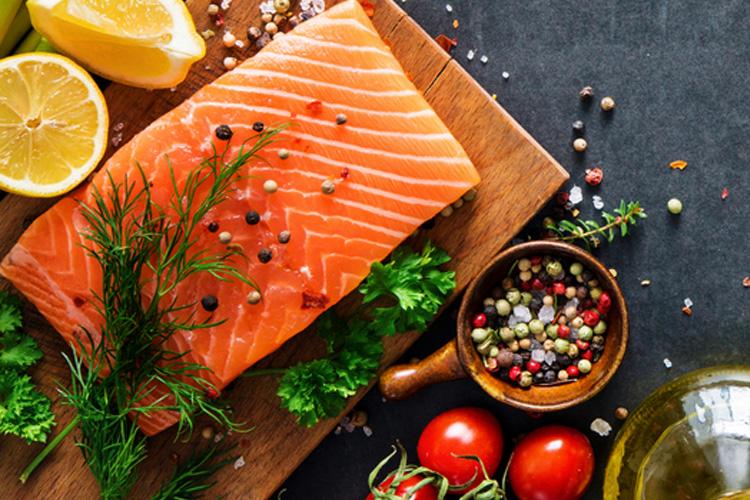
Eating these regularly can help older adults protect thinking skills and maintain sharper attention. Fatty fish like salmon, sardines, and trout provide omega-3 fatty acids, which are healthy fats that help brain cells communicate efficiently. These fats also support heart health, which directly affects blood flow to the brain.
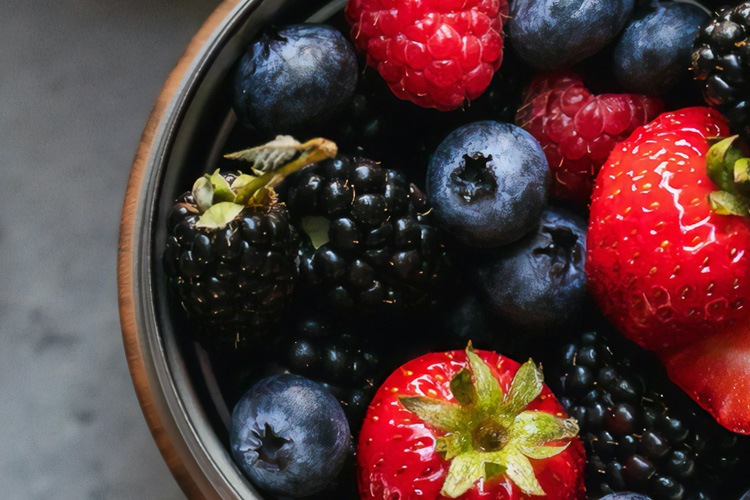
Blueberries, strawberries, and blackberries supply antioxidants, which are compounds that help protect cells from damage. They also add natural sweetness, making them a tasty option for breakfast, snacks, or desserts.
How Does Nutrition Play a Role in Brain Health Over 55?
Nutrition plays a major role in keeping your brain healthy over 55 because the brain needs steady fuel, stable blood sugar, and enough vitamins and minerals to work well. A balanced eating pattern helps reduce fatigue, support mood, and lower the risk of long-term decline.
When meals include protein, fiber, and healthy fats, blood sugar will stay steadier. This balance will help reduce energy crashes, irritability, and the feeling of mental dullness or slowed thinking, which is commonly referred to as brain fog.
Nutrient-dense foods provide the body with proper nutrition, including vitamins, minerals, and protein. Over time, those foods support blood vessels, nerves, and memory pathways that help the brain stay strong, which helps support long-term wellness. Water is also vital; even mild dehydration can affect concentration and memory. Seniors who sip fluids throughout the day will often feel more alert and better able to participate in daily activities.
Brain-Supportive Habits and Why They Help.
- Balanced meals: Support steady energy and mental clarity
- Hydration: Helps support focus and memory retention
- Protein at Meals: Helps maintain strength and brain function
- Colorful Produce: Provides antioxidants and vitamins

What Hobbies Can Improve Brain Health?
Hobbies that challenge the mind and body improve brain health because they keep the brain active and adaptable. The brain’s ability to form new connections is called neuroplasticity, and it stays stronger when people keep learning and engaging. Activities like painting, knitting, playing music, or writing will ask the brain to plan, remember, and create at the same time.
These hobbies support attention and problem-solving while also offering a relaxing outlet. Learning a language, joining a book club, or taking a class will stretch memory and concentration. New learning will encourage the brain to adapt, which helps preserve sharp thinking over time.
Walking groups, dancing, gardening, and tai chi can help to improve circulation and coordination. Better circulation helps deliver oxygen to the brain, which supports mental energy and focus.

What is the 7-Second Memory Trick?
The 7-second memory trick can be a simple strategy for helping information stick. When someone hears a name, reminder, or instruction, they will pause for about seven seconds and mentally repeat it or picture it clearly. Repeating information gives the brain more time to store it. This small pause can improve recall because the brain will not have to work as hard to retrieve the detail later.
Turning information into a mental image may make it easier to remember. For example, if someone meets a new neighbor named Rose, they might picture a red rose beside the person’s name to create a stronger memory link. This trick can be especially useful for appointments, names, directions, and medication reminders. Over time, small memory habits like this may help seniors feel more confident and less frustrated.
Why Does Social Connection Matter for Brain Health After 55?
Social connection and creating community matters because the brain thrives on conversation, shared experiences, and emotional support. Isolation can increase stress and may raise the risk of cognitive decline, while connection can help keep the mind active. Talking with others requires language, listening, memory, and attention. Every meaningful conversation acts like a small workout for the brain.
People who stay socially engaged can often feel less lonely and more motivated to take care of themselves. That sense of purpose supports both emotional health and cognitive health. Eating with others often improves appetite and makes meals more enjoyable. Shared dining may also make it easier to choose balanced foods and stick with healthy routines.

How Will Duet Dining Support Healthy Eating for Seniors?
Duet Dining can enhance healthy eating by combining nutrition, hospitality, and social connection in one experience. For seniors, that approach may make it easier to eat well consistently because meals will be both nourishing and enjoyable. Chef-led menus are designed to make healthy food appealing. The dining experience at Mullen Residences will offer thoughtfully prepared meals that focus on flavor, freshness, and balance.
When healthy food tastes good, seniors may be more likely to choose it regularly. Nutrition and wellness work together through meals that support energy, strength, and brain health. This approach is intended to help seniors build habits and routines that feel natural rather than restrictive.
Mealtimes will also create opportunities for conversation, community, and social connection. Social connection matters; enjoying food with others can support both emotional wellbeing and long-term healthy habits.
Can A Simple Daily Plan Help?
A strong brain-health routine doesn’t require perfection. It relies on a few repeatable choices that add up over time.
- Eat colorful foods at most meals.
- Include protein and healthy fats daily.
- Stay physically active in ways that feel enjoyable.
- Keep learning through hobbies or classes.
- Use memory tools like the 7-second trick.
- Stay connected through friends, family, and community.
Brain health improves most when small choices become part of everyday life. With the right nutrition, movement, hobbies, and social support, seniors can protect memory and enjoy a more engaged, independent future.
Aging well means caring for your brain with the same intention you bring to your relationships and daily routines. By choosing brain-supportive foods, staying active in meaningful hobbies, using simple strategies such as the 7-second memory trick, and nurturing rich social connections, you can give your mind the best chance to stay clear and resilient over time.
When these habits are supported by thoughtful dining and community experiences, you create a lifestyle that makes staying healthy in an independent living community feel natura—where every meal, conversation, and activity becomes a meaningful investment in long-term brain health and joyful, independent living.