
Staying active matters for older adults is about much more than maintaining physical fitness. Regular movement can help older adults preserve independence, support heart and brain health, manage pain, improve mental well-being, and reduce the risk of chronic disease and falls.
Adults age 65 and older benefit from a combination of aerobic activity, muscle-strengthening exercises, and balance activities each week. The National Institute on Aging recommends incorporating these different types of movement as part of a healthy lifestyle. Even when someone cannot meet the full recommendations, some physical activity is better than none.
Why Does Staying Active Help Older Adults Preserve Independence?
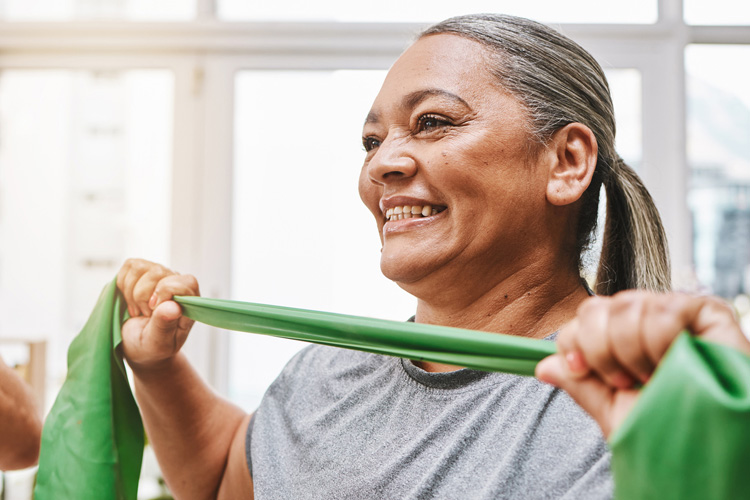
One of the most important reasons why staying active matters for older adults is that movement supports the strength and physical function needed for everyday life. Getting out of a chair, carrying groceries, climbing stairs, bathing, preparing meals, and walking around the neighborhood all require strength, balance, coordination, and endurance.
Regular physical activity helps maintain muscle strength and bone health while reducing the risk of falls. Sarcopenia, the age-related loss of muscle mass and strength, can make everyday activities more difficult and increase the risk of losing independence. Strength training and other weight-bearing activities can help older adults maintain the physical abilities they need for daily tasks.
For adults 65 and older, the CDC recommends:
- Aerobic Training: At least 2 and a half hours of moderate-intensity aerobic activity each week; this includes activities such as brisk walking, an exercise bike, an aerobics class, and many more options.
- Resistance Training: Muscle-strengthening activities at moderate to high intensity for at least two days each week.
- Balance activities: As part of a regular physical activity routine.
- Adaptable: Starting slowly and increasing activity as needed over time.
For older adults, staying active does not necessarily mean going to a gym. Walking, gardening, dancing, water aerobics, household activities, and appropriately modified exercises can all contribute to a more active lifestyle.
How Does Staying Active Support Heart And Brain Health?
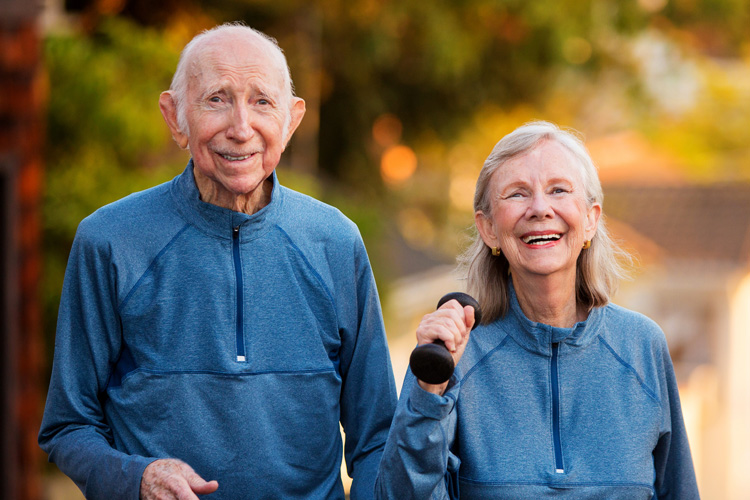
Another key reason why staying active matters for older adults is its connection to cardiovascular and brain health. Cardiovascular health focuses on the heart and blood vessels, while brain health includes thinking, learning, remembering, and making decisions. Regular physical activity can lower the risk of heart disease, stroke, high blood pressure, and type 2 diabetes. It can also support healthy brain function as you age and may reduce the risk of cognitive decline and dementia, including Alzheimer’s.
How Can Staying Active Improve Mental Well-Being?
The benefits of regular movement extend beyond physical health. Staying active can support emotional well-being by reducing symptoms of anxiety and depression, improving sleep, and providing a greater sense of routine and accomplishment. Physical activity can also help older adults stay engaged in the activities and relationships that bring meaning to their daily lives.
How Can Exercise Support Emotional And Social Well-Being?
Movement can provide older adults a sense of accomplishment and routine, whether it’s taking a daily walk, tending a garden, or practicing balance exercises, or participating in a fitness class. Physical activity can also create valuable opportunities for social connection and creating community. Exercising with friends, family members, caregivers, or peers combines physical activity with connection, helping older adults remain engaged with their communities.
For someone who is less active, the goal does not have to be a major workout. Starting with a few minutes of movement and gradually increasing activity can create a sustainable routine. Pairing movement with something enjoyable like spending time with a friend or family member can also make starting the habit a little easier and a little more fun.
Can Staying Active Help Older Adults Manage Pain?
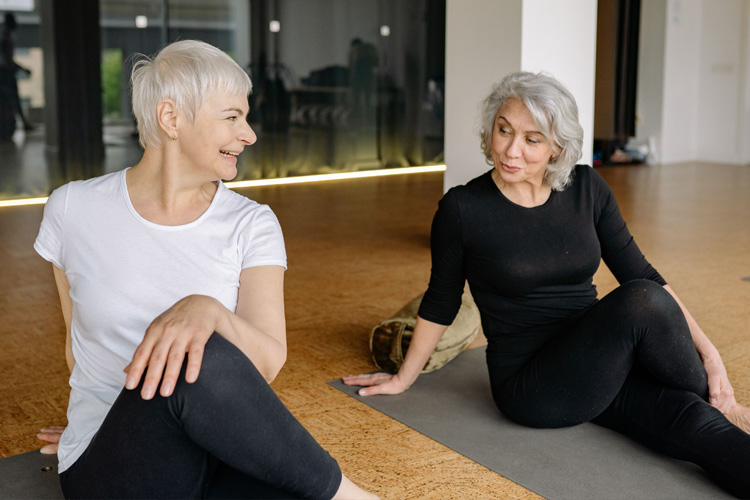
Pain can feel difficult, but avoiding movement altogether can sometimes contribute to reduced strength and function. Staying active can help manage certain chronic conditions and maintain mobility. For example, regular physical activity can help reduce arthritis pain and improve physical function.
Chronic pain persists or recurs over an extended period, often for three months or longer. Appropriate exercise can help some people maintain mobility and perform everyday activities despite chronic conditions. Movement may feel difficult or uncomfortable at first, so starting small and gradually duration and intensity can help develop the strength and endurance needed to stay active.
Think of each bit of movement as laying another brick in the foundation for healthy aging.A short walk, a few strength exercises, or time spent stretching may not seem significant on its own, but these small efforts add up. Over time, those bricks create a stronger foundation for maintaining mobility, managing daily activities, and preserving independence.
What Types Of Movement May Be Easier On Painful Joints?
Low-impact activities can help you stay active while placing less stress on the joints. Depending on an individual’s abilities, preferences, and health needs, options may include:
- Walking at a comfortable pace
- Water aerobics or swimming
- Light strength exercises
- Stretching and flexibility activities
- Tai chi or yoga
- Chair-based exercises
Anyone experiencing ongoing or significant pain or managing a chronic health condition should talk with a health care professional about which activity may be appropriate. The goal is not to push through pain, but to find enjoyable forms of movement that support strength, mobility, and daily function without unnecessarily increasing discomfort.
How Does Staying Active Fit Into Preventive Care For Older Adults?
Preventive care means taking steps to maintain health and identify potential problems before they become more serious. Exercise is an important part of preventive health, but it works best alongside routine medical care. Staying active can help reduce the risk of several chronic diseases, falls, and functional limitations. At the same time, older adults should continue recommended health screenings and routine checkups based on their individual needs.
Preventive care may include conversations about:
- Blood pressure and cardiovascular risk
- Diabetes screening
- Cancer screenings appropriate for age and risk
- Bone health and osteoporosis
- Vision and hearing
- Fall risk and balance
- Medication reviews
- Vaccinations
- Dental and oral health
- Mental and emotional well-being
Staying active can complement these preventive measures. For example, strength and balance activities can help reduce fall risk, while aerobic activity can support cardiovascular health. However, exercise does not replace medical screenings or professional health advice.

Why is Staying Active One Of The Most Important Parts Of Healthy Aging?
Why staying active matters for older adults ultimately comes down to helping people continue doing the things that give life meaning. Regular movement can support independence, strengthen the heart and brain, improve emotional well-being, help manage certain types of pain, and complement other healthy habits. The most beneficial activities are often the ones an older adult can safely enjoy and consistently incorporate into daily life. A walk with a friend, a fitness class, gardening, dancing, swimming, or strength exercises can all be meaningful ways to keep moving.
Healthy aging does not require perfection. It means finding sustainable ways to move, connect, and care for your body at every stage of life. And sometimes, where you live can make those choices easier. At Mullen Residences at the Highlands, residents will have opportunities to stay active both within the community and throughout the surrounding Denver Highlands.
Living in the Highlands offers nearby parks and walking paths, shops, restaurants, galleries, cultural events, and neighborhood destinations offer plenty of ways to get out, explore, connect with others, and become part of everyday life. The most important part is staying consistent and building healthy habits and movement routines.
Ultimately, every bit of movement counts. Whether it’s a short walk, a favorite activity, or simply choosing to get up and move a little more each day, small steps can build over time. It’s never too late to start and healthy aging is about creating a lifestyle that helps you keep moving.
Interested in learning more about life at Mullen Residences at the Highlands? Call our office to schedule an appointment and learn more about the community, upcoming plans, and opportunities to make Mullen part of your next chapter.